Featured

:max_bytes(150000):strip_icc()/DebtRelief-BestDebtReliefCompaniesImage-65c32a5716014aeca3a4e55477cb8130.png)
Assessing Accreditation Levels for Local Therapists
Table of Contents
Financial Realities for Homes in Carmel Debt Relief
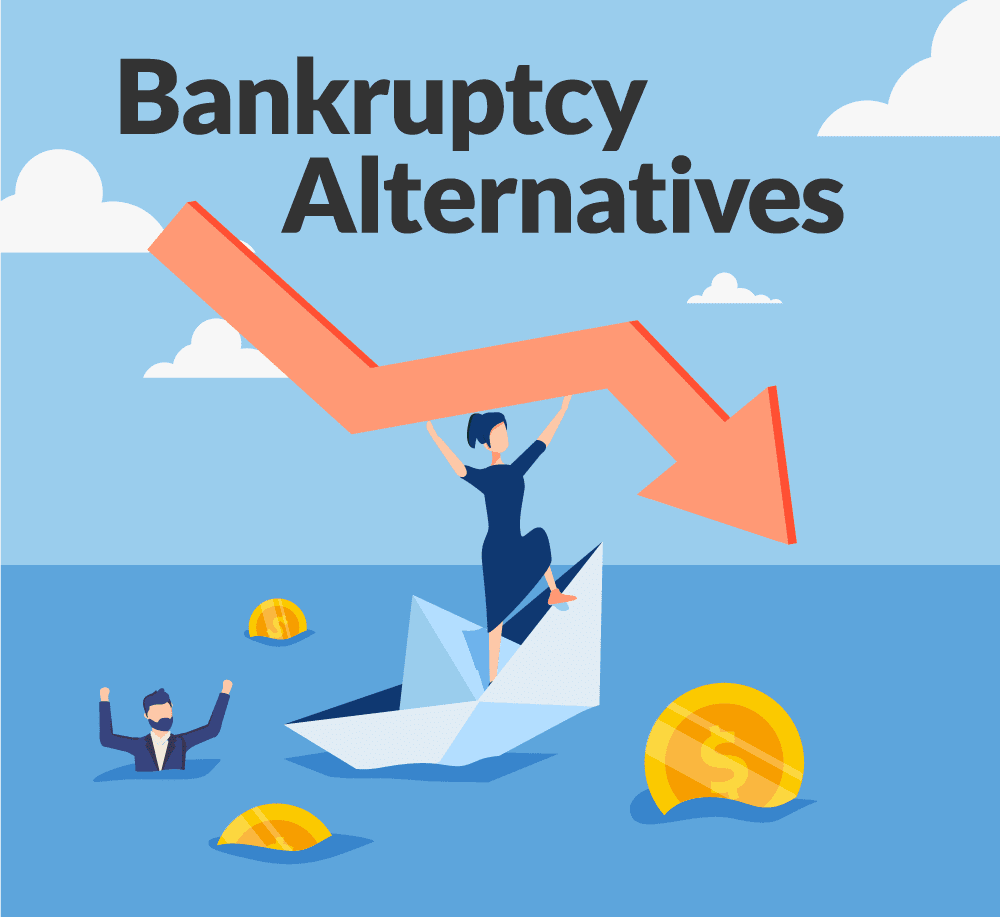
The financial environment of 2026 has actually presented an unique set of obstacles for consumers. With rates of interest remaining at levels that make carrying revolving debt pricey, lots of people discover their monthly payments consume an increasing share of their disposable earnings. When the expense of living in the surrounding area exceeds wage development, the look for a feasible exit from high-interest responsibilities ends up being a top priority. 2 main courses exist for those facing insolvency: debt settlement and Chapter 7 personal bankruptcy. While both aim to solve financial distress, the systems, legal defenses, and long-term consequences vary significantly.
Selecting in between these options requires a clear understanding of one's financial position and the specific rules governing financial obligation relief in the local region. Financial obligation settlement involves working out with lenders to accept a lump-sum payment that is less than the overall quantity owed. On the other hand, Chapter 7 personal bankruptcy is a legal procedure that liquidates non-exempt properties to pay lenders, after which most unsecured financial obligations are discharged. Each method has particular requirements and differing effects on a person's capability to gain access to credit in the future.
The Mechanics of Debt Settlement in 2026
Financial obligation settlement frequently appeals to those who wish to prevent the perceived stigma of insolvency. The process generally starts when a debtor stops paying to their creditors and instead deposits those funds into a devoted savings account. When sufficient capital has collected, negotiations start. Creditors, seeing that the account is in default, might be more ready to accept a partial payment rather than run the risk of receiving absolutely nothing through a personal bankruptcy filing. Ongoing interest in Debt Relief shows a growing requirement for alternatives to standard insolvency.
Negotiating settlements is not without danger. Because the procedure requires the debtor to stop making routine payments, late charges and interest continue to accrue, frequently causing the balance to swell before a deal is reached. Lenders are under no legal commitment to settle, and some might pick to pursue lawsuits instead. If a creditor in Carmel Debt Relief files a suit and wins a judgment, they might have the ability to garnish earnings or location liens on home. Additionally, the Irs typically sees forgiven debt as taxable income. A person who settles a $20,000 financial obligation for $10,000 may get a 1099-C type and be required to pay taxes on the $10,000 "gain," which can create an unforeseen tax expense the following year.
Legal Reset via Chapter 7 Bankruptcy
Chapter 7 insolvency uses a more official and lawfully safeguarded course. Often called liquidation insolvency, it is designed to offer a "clean slate" to those with minimal income who can not fairly expect to pay back their debts. To qualify in 2026, petitioners should pass a ways test. This test compares their month-to-month earnings to the mean income for a household of their size in their specific state. If their income is below the typical, they typically qualify. If it is above, they must offer in-depth info about their costs to prove they lack the means to pay a portion of their debt through a Chapter 13 repayment plan.
One of the most instant advantages of declare insolvency is the automated stay. This legal injunction stops practically all collection actions, including telephone call, letters, suits, and wage garnishments. For lots of living in the United States, this time out provides immediate mental relief. However, the process includes a court-appointed trustee who analyzes the debtor's possessions. While lots of possessions are exempt-- meaning the debtor can keep them-- non-exempt residential or commercial property can be sold to pay back financial institutions. Exemption laws differ by place, so the quantity of equity one can keep in a home or vehicle depends on the statutes in the local jurisdiction.
Comparing Credit Score Impacts
Both debt settlement and Chapter 7 insolvency lead to substantial damage to a credit score, however the timelines vary. A Chapter 7 filing remains on a credit report for 10 years from the date of filing. Debt settlement, due to the fact that it involves marking accounts as "chosen less than the full balance," also damages ball game, though the individual accounts typically fall off 7 years after the preliminary delinquency. Since settlement requires the debtor to purposefully fall behind on payments, the rating frequently drops before the settlement even occurs.
Healing is possible in both circumstances. Many individuals find that their credit report begins to enhance within a couple of years of a Chapter 7 discharge because their debt-to-income ratio has improved so dramatically. By 2026, credit rating models have actually ended up being more advanced, yet the fundamental principle remains: lending institutions desire to see a history of on-time payments. Approved Carmel Debt Relief has actually become a frequent topic for those facing collection calls. Whether one picks settlement or personal bankruptcy, the path to a higher rating involves reconstructing with secured credit cards and preserving small, workable balances.
The Role of Nonprofit Credit Counseling
Before an individual can apply for personal bankruptcy in 2026, they are lawfully required to finish a pre-bankruptcy therapy session with a U.S. Department of Justice-approved company. These companies, such as APFSC.ORG, supply an objective take a look at the debtor's situation. A counselor evaluates income, costs, and debts to figure out if a less drastic measure may work. One such option is a Debt Management Program (DMP) In a DMP, the company works out with lenders to lower rate of interest and waive fees. The debtor then makes a single month-to-month payment to the company, which distributes the funds to the lenders. Unlike settlement, the full principal is normally repaid, which can be less harmful to a credit report with time.
Nonprofit firms also use financial literacy education and housing counseling. For homeowners in Carmel Debt Relief who are fretted about foreclosure, HUD-approved real estate counseling is an important resource. These services help individuals understand their rights and explore alternatives like loan modifications or forbearance. Because APFSC.ORG is a 501(c)(3) not-for-profit, the focus remains on education instead of profit, providing a contrast to for-profit debt settlement business that may charge high upfront fees.
Navigating the Choice in Carmel Debt Relief
The option between settlement and personal bankruptcy often comes down to the nature of the debt and the debtor's long-lasting objectives. If the majority of the debt is owed to a couple of financial institutions who have a history of negotiating, settlement may be a much faster route. If the debt is spread out across lots of different loan providers or if there is an active risk of wage garnishment, the legal securities of Chapter 7 are frequently more reliable. Customers often look for Debt Relief in Carmel when handling high-interest balances.
Property ownership is another significant element. In various regions, the homestead exemption figures out how much home equity is secured in insolvency. If a citizen has significant equity that goes beyond the exemption limitation, a Chapter 7 filing might result in the loss of their home. In such cases, financial obligation settlement or a Chapter 13 reorganization might be the only ways to solve debt while keeping the property. Professional assistance remains a priority for people looking for relief during financial difficulty.
Future Outlook for Debt Relief
As 2026 advances, the legal environment surrounding financial obligation relief continues to develop. New regulations on for-profit settlement firms have actually increased openness, yet the core risks stay. Personal bankruptcy courts in the regional district have approached more digital processes, making filings more effective but no less severe. The 180-day pre-discharge debtor education requirement remains a cornerstone of the procedure, making sure that those who get a discharge are much better equipped to handle their financial resources in the future.
Financial distress is hardly ever the result of a single option. It is frequently a mix of medical emergencies, job loss, or the consistent pressure of inflation. By examining the differences between settlement and insolvency, homeowners in Carmel Debt Relief can decide based upon information instead of worry. Looking for a totally free credit counseling session through a DOJ-approved not-for-profit is frequently the most productive primary step, as it offers a clear view of all offered options without the pressure of a sales pitch.

Latest Posts
Handling Loan Balances Plans in 2026
Effective Digital Tools for 2026

Smart Strategies for Managing Card Debt in 2026